

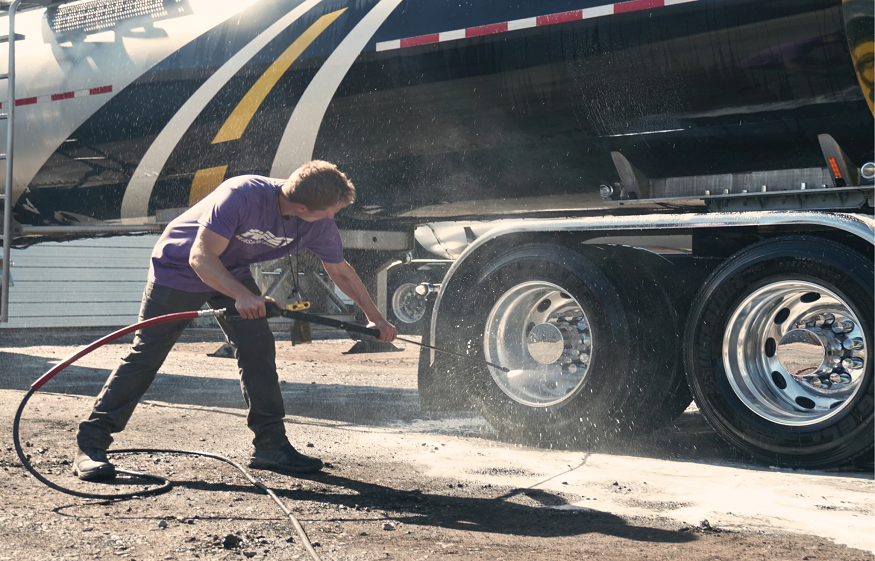
Having a spotless fleet is more than just good looks; it also enhances professional image, increases the lifespan of vehicles, decreases the chances of corrosion, and provides the opportunity to identify maintenance problems before they occur. To get the most out of these benefits, it is important to use an appropriate truck wash detergent. With so many choices on the market for fleet managers to pick from, they must evaluate each choice based on cleaning power; compatibility with their vehicle; environmental impact; and cost-effectiveness. Choosing the wrong detergent could result in poor cleaning results, damage to the equipment, or added costs in operational expenses.
Understand the Cleaning Requirements of Your Fleet
Each fleet is operated differently, and there are many different environments to which fleet managers need to assess before they choose a detergent. Highway vehicles will accumulate buildup from road dirt, exhaust soot, insect debris, etc., while construction vehicles typically have mud, grease, and heavy amounts of dirt built up on them; refrigerated transport needs to be cleaned with special detergents to maintain a sanitary condition. Knowing what kind and how much time your trucks have been exposed to contaminants will help to determine the type of detergent you need to purchase. It is also important to remember that using an entry-level product from a light dirt will not provide acceptable results on a heavy road, so it processes more slowly, which adds to man-hour costs.
Evaluate the Detergent’s Cleaning Performance
Many truck wash cleaning products exist to effectively clean your truck. When looking for the right detergent to use on your trucks, you should look for something that will work well while also protecting the surface of the truck. The best detergents are designed to dissolve hard-to-remove debris and soils quickly, which leads to less water and fewer hours of labor being spent cleaning. By testing a product on a small group of trucks, you will be able to determine how well it works before making a large purchase. A good way of determining whether the product is reliable for cleaning your trucks is by testing it on several different truck types, in different trucks, weather conditions, etc. If you have a product that performs consistently across these variables, it is likely to support the long-term goals of your fleet’s maintenance program.
Consider Vehicle Surface Compatibility
When considering a commercial truck to wash, you should consider how many different materials that truck contains. When washing your truck, it is important to determine how these materials will react to the detergent you are using. There are many types of materials used on modern trucks, from paint, aluminum, chrome, stainless steel (where applicable), plastic, and decals. Harsh cleaning products can damage some of these materials over time and lead to fading, discoloration, and deterioration of the material itself. Therefore, it is important for fleet managers to choose a detergent that is made for cleaning all of the different materials found on their fleets while still providing a good cleaning capability. As many of these trucks have branding graphics (decals) or distinguishable signs, it is especially important for the fleet manager to use a product that will not cause damage through the cleaning process. Reading through the manufacturer’s recommendations and specifications will assist in selecting the right product to protect your fleet’s/surface’s appearance and value.
Prioritize Environmental Compliance and Sustainability
Prospective truck wash detergent customers must keep abreast of the latest developments in environmental regulations affecting their industry. Truck washing operations that utilize environmentally responsible cleaning chemicals will benefit from having reduced ecological footprints and be able to adhere to regulatory compliance standards. Biodegradable and phosphate-free truck wash detergents are gaining popularity due to the reduction in environmental impact while still being able to perform at or above historical levels. Fleet managers should also give consideration to trucking products that lower water consumption and are compatible with water recycling systems. Selecting environmentally friendly detergents benefits sustainability programs as well as providing a company with an enhanced reputation in the eyes of customers and stakeholders who appreciate environmentally responsible business practices.
Assess Concentration Levels and Dilution Ratios
The second factor that often goes unnoticed when determining which truck wash detergent to purchase is the product’s concentration level. Though concentrated truck wash detergent products may be more expensive initially to buy, they typically represent a greater overall long-term value when calculating detergent usage on a per-wash basis because less product is used per wash than with conventional detergent products. Because of the nature of concentrated formulations, fleet managers can accurately assess the operating cost of their cleaning program based upon the actual dilution ratio of the detergent being used. Additionally, stores and shipping costs can be less when using concentrated formulations because fewer trucks will be utilized to transport concentrated detergent versus traditional formulations. Ultimately, by assessing the concentration levels of the different types of truck wash detergents, organizations can maximize cleaning effectiveness while still controlling their budgets on large-scale fleet cleaning operations.
Ensure Compatibility with Washing Equipment
Detergent for washing trucks has to integrate into your fleet cleaning plan. If you clean trucks using an automatic wash, pressure washer, foam cannon, or by hand, the type of detergent you will use will vary with the type of equipment you are cleaning with. To clean effectively, the detergent must work well in conjunction with the type of equipment being used. Detergents that are not compatible with specific types of wash equipment can cause excessive foam, clog up equipment, produce poor cleaning results, and increase maintenance costs. Fleet managers should confirm that the detergent being used will perform effectively with the existing washing equipment to prevent interruptions to their operations. Equipment manufacturers and detergent vendors can assist fleet managers in determining the proper detergent to use with their particular cleaning methods.
The Closing Thoughts
Establishing a good working relationship with vendors will provide you with access to quality detergents and the necessary technical advice to minimize negative effects of operational issues whenever possible. When selecting a best truck wash detergent for fleets &commercial vehicles, fleet managers face a strategic challenge where their choice can impact many areas, including fleet look, maintenance expense, efficiency of operations, and environmental compliance. Selecting a quality truck wash detergent requires fleet managers to research and assess many different criteria. By selecting their truck wash detergent holistically, the fleet manager can improve the results of their cleaning programs, protect the company’s assets, and enhance the effectiveness of long-term fleet management efforts. Ultimately, using the right truck wash detergent will result in a cleaner, more professional, and more cost-effective fleet.